

How to Address Wedding Invitations: A Comprehensive Guide for UK Couples
Wedding invitations set the tone for one of the most significant days in a couple’s life. In the UK, where traditions blend seamlessly with modern sensibilities, addressing these invitations correctly is not just a matter of postage—it’s an exercise in etiquette, respect, and personal touch.
According to etiquette experts, getting it right ensures your guests feel valued and avoids any pre-wedding faux pas. This article explores the nuances of addressing wedding invitations for a UK audience, drawing on established guidelines to help you navigate formalities, titles, and practicalities.
Whether you’re planning a grand affair at a stately home or an intimate gathering, mastering this art will elevate your invitations from mere notifications to cherished keepsakes.
Understanding the Basics of UK Wedding Invitation Etiquette
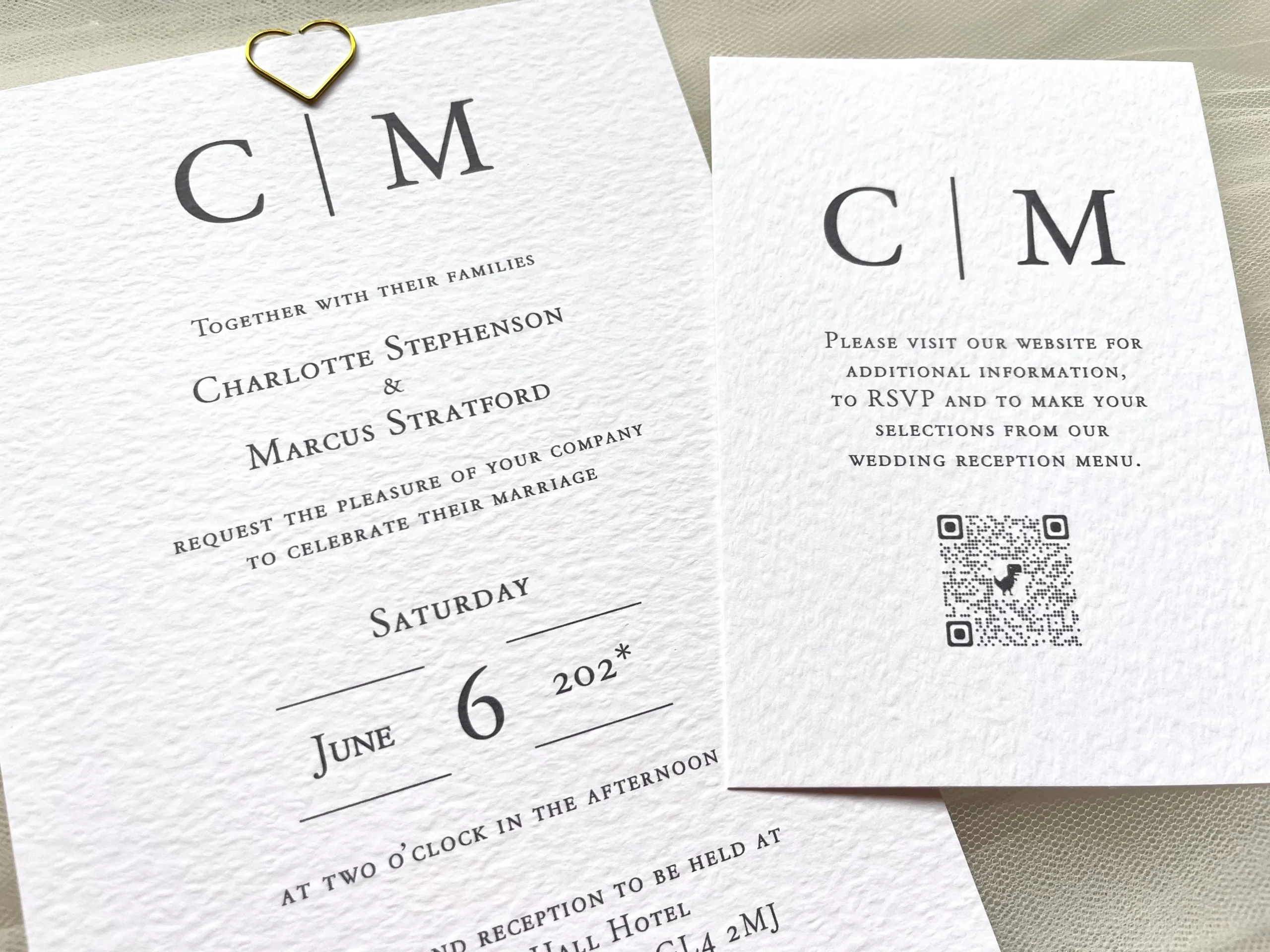
In the UK, wedding invitation etiquette is deeply rooted in tradition, often influenced by sources like Debrett’s, the go-to authority on British manners. The process begins with deciding on the level of formality. Formal invitations typically use engraved or printed cards in classic typefaces like copperplate, on cream or white matt card, sized around 8 x 6 inches and folded. Less formal options might incorporate modern fonts, colours, or even artistic elements like illustrations or perspex.

A key UK convention is handwriting the guest’s name on the invitation itself, usually in the top left-hand corner or a designated central spot. This personalises the card and aligns with traditional practices. For envelopes, use full names and titles without abbreviations, ensuring the address is clear and complete, including the postcode for efficient Royal Mail delivery. Avoid nicknames on envelopes; reserve them for inner notes if needed.
Outer envelopes protect the contents and bear the full postal address, while inner envelopes (optional but elegant for formal weddings) can be more casual, using first names or familial titles like “Auntie Jane.” Handwriting is preferred for a personal feel, ideally in black ink, though printing in a matching font or hiring a calligrapher is acceptable for larger guest lists. Send invitations at least 12 weeks in advance to allow for RSVPs and travel arrangements.
Addressing Different Types of Guests
UK etiquette accommodates a range of relationships, from traditional married couples to modern partnerships. Always confirm preferences, especially for titles like “Ms” versus “Mrs,” to avoid offence. Here’s how to handle common scenarios:
Single guests
For a single male over 18, use “Mr” followed by his full name, e.g., “Mr Benjamin Clarke.” Under 18, omit the title: “Benjamin Clarke.” For females, “Ms” is versatile for any marital status over 18, e.g., “Ms Sophie Westbourne,” while “Miss” suits those under 18. In contemporary styles, drop titles altogether: “Sophie Westbourne.”
If allowing a plus-one, address the envelope to the known guest only, adding “and Guest” on the inner envelope or invitation. This clarifies without assuming the guest’s companion.
Married couples
Traditionally, address as “Mr and Mrs [Husband’s Full Name],” e.g., “Mr and Mrs James Smith.” However, modern UK etiquette favours inclusivity by including the wife’s first name, especially if she prefers it: “Mr James and Mrs Charlotte Smith.” For couples with different surnames, list alphabetically or by preference: “Mrs Hannah Beaumont and Mr Nathan Brown.”
In formal settings, if nobility is involved, use full titles: “The Earl and Countess of Tolworth.” For same-sex married couples, follow similar rules: “Mr John Smith and Mr James Brown” or alphabetically.
Unmarried or cohabiting couples
Address both names on one line, starting with the person closest to you or alphabetically: “Mr Benjamin Clarke and Ms Sophie Westbourne.” Contemporary: “Ben and Sophie.” This respects modern living arrangements without implying marriage.
Families with children
For families, address parents first, then list children’s first names in age order: “Mr and Mrs Stephen Fletcher, Daisy, Charlie and Mabel.” Casually: “The Fletcher Family.” Children over 18 warrant separate invitations, even if at home: “Ms Emma Fletcher.” Boys under 18 have no title; girls use “Miss.”
If the wedding is adults-only, omit children’s names to signal this clearly, avoiding awkward conversations.
Guests with Professional or Special Titles
UK etiquette places emphasis on honours and ranks. For doctors: “Dr George Murphy and Mrs Maria Murphy.” If both are doctors: “The Doctors Murphy.” List the titled person first, unless military ranks dictate otherwise—higher rank precedes. Judges: “The Honourable and Mrs Harry Cleave.” Clergy: “The Reverend John and Mrs Anna Bolton.”
For widows or divorcees, consult preferences: Widows might use “Mrs Fiona Hardwick” (own name) or retain the married form. Divorcees often revert to “Ms [Maiden Name].”
Envelope Formats and Postal Considerations
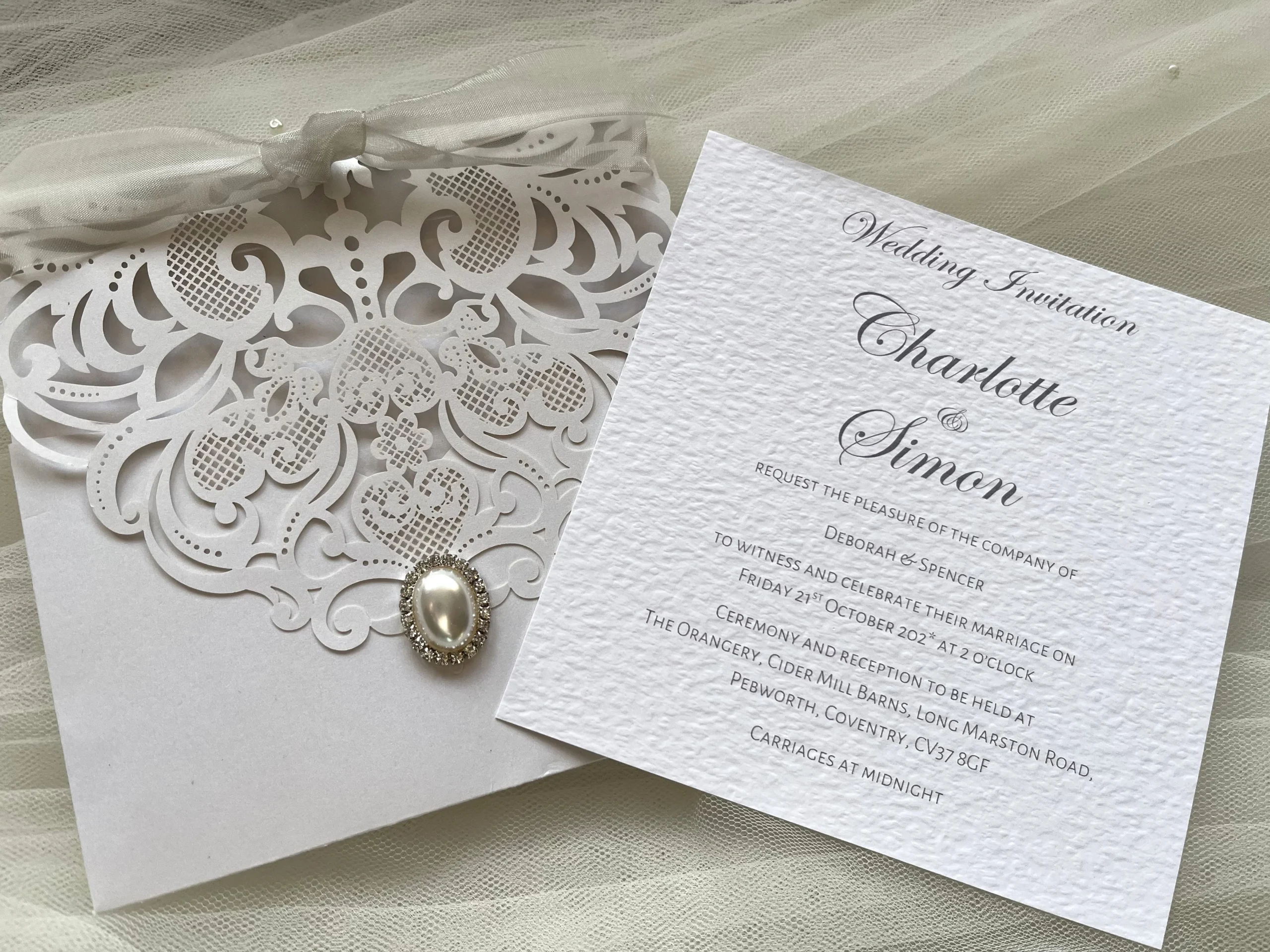
In the UK, envelopes should include the full address without abbreviations: street name, town, county (optional for some postcodes), and postcode on the last line. Example:
Mr and Mrs James Smith
123 High Street
London
SW1A 1AA
For international guests, verify formats but keep UK-style formality. Include a return address on the back flap. On envelopes, add postnominals (e.g., OBE) for professionals, unlike on the invitation itself.
Inner envelopes allow informality: “James and Charlotte” or “Uncle James and Aunt Charlotte.” This dual system adds elegance and protects the invitation.
Common Mistakes and Modern Adaptations
Avoid common pitfalls like using “Mr and Mrs [Husband’s Name]” without the wife’s input, as it can feel outdated. Misplacing “and Guest” (e.g., after a child) or forgetting to separate adult children are frequent errors. For gender-neutral guests, drop titles: “Tatum Hutchins.”
Modern UK weddings embrace flexibility: Digital invitations are increasingly accepted for eco-friendly or budget reasons, though traditionalists might view them as less formal. Themed invitations with photos or bold colours suit contemporary couples, but maintain clarity in addressing.
Final Thoughts
Addressing wedding invitations in the UK is about balancing tradition with personal expression. By following these guidelines, you’ll ensure your invitations reflect the joy of your day while honouring your guests. If in doubt, consult resources like Debrett’s or a stationer. Remember, the goal is connection— a well-addressed invitation is the first step in creating lasting memories.
About the Author
Emma Thompson has been writing about weddings and lifestyle trends for over 12 years. She’s contributed to major bridal publications and worked closely with planners across the US and Europe. Passionate about helping couples plan authentically, Emma stays connected to real weddings through industry events and vendor networks. This article reflects current insights as of October 2026.
#weddingnamecard table affordable wedding invitations affordable wedding invites Autumn Wedding Ideas autumn weddings Bilingual Wedding Invitations Budget Weddings cheap wedding invitations civil ceremony books custom wedding invitations daisy chain invites digital wedding invitations Eucalyptus Wedding Invitations gift cards Honeymoon Information Cards laser cut wedding invitations minimalist wedding invitations modern wedding invitations new wedding invitations new wedding stationery PersonalisedStationery personalised wedding invitations readings for weddings save the date cards Wedding Ceremony Books wedding checklist wedding guide Wedding Inspiration wedding invitation etiquette wedding invitations wedding invitations card wedding invitations uk wedding invitation trends 2026 wedding invitation wording Wedding Invites wedding money saving ideas wedding order of service wedding planning wedding poems Weddings wedding stationery wedding tips Wedding Traditions wedding trends
Traditional UK etiquette:
Mr and Mrs John Smith
(or Mr John and Mrs Jane Smith if you want to include the wife’s first name – increasingly popular in 2025).
Never write “Mr & Mrs John Smith” (the ampersand is considered informal).
List each name on a separate line, in alphabetical order by surname:
Ms Sarah Brown
Mr James Taylor
Or, more casually (but still acceptable):
Ms Sarah Brown and Mr James Taylor (on the same line).
Formal version – separate lines:
Mrs Jane Thompson
Mr Michael Harris
Modern version (widely accepted):
Mrs Jane Thompson and Mr Michael Harris
Never combine the surnames with a hyphen unless that is her legal name.
Outer envelope (formal):
Mr and Mrs David Wilson
Inner envelope or RSVP line:
Mr and Mrs David Wilson, Miss Emily Wilson and Master Thomas Wilson
If children are over 16–18, send them their own invitation.
Medical doctor (married couple, both doctors): Dr Anna and Dr Robert Patel
One doctor: Dr Anna Patel and Mr Robert Patel
PhD or other academic doctors: Dr Anna Patel (no “and Mr” unless the partner also holds a title)
Military/peerage titles always take precedence over “Dr”.